

Concrete Cooling & Ice Plant
Installation, controls and commissioning of chilled-water, process-water and ice plant that controls concrete temperature on infrastructure projects, including current works on Snowy 2.0.
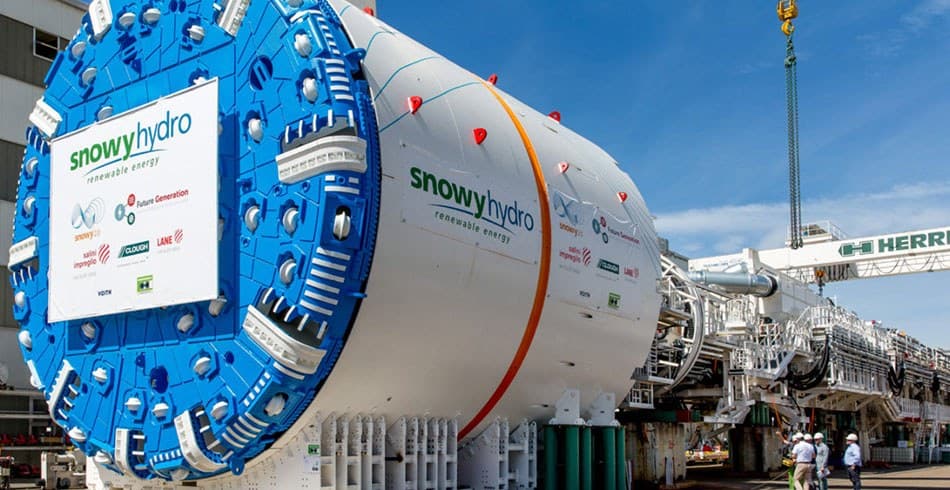
Concrete cooling uses chilled water, ice and process water plant to control the temperature of concrete during batching and placement, limiting the heat of hydration and the risk of thermal cracking in large pours. Goldman Plumbing installs, connects and commissions cooling and process water plant for infrastructure projects across NSW, VIC, QLD and SA.
What is concrete cooling and why is it needed?
Cement releases heat as it hydrates. In mass concrete, such as dam, tunnel and foundation pours, that heat cannot escape quickly, so the core runs much hotter than the surface. The temperature difference and the volume change as the concrete cools can cause thermal cracking. Project specifications therefore often limit the placement temperature of fresh concrete, and cooling the mix before it is placed is one of the main ways to meet those limits.
What types of concrete cooling plant are there?
Water is the easiest ingredient to cool, so a common approach is a chilled water plant supplying cold mixing water to the batching plant. Where more cooling is needed, ice plant such as flake ice systems can replace part of the mixing water, using the heat absorbed as the ice melts. Other methods include pre-cooling aggregates and circulating chilled water through pipes cast into the pour. The right combination depends on the mix design, climate, production rate and specification.
What has Goldman delivered on Snowy 2.0?
Goldman is currently installing two ice plants, each producing 40 tonnes of ice per day (80 tonnes per day in total), for concrete cooling at Snowy 2.0's Lobs Hole site, for head contractor Future Generation Joint Venture (FGJV). On the same project, Goldman installed and commissioned the combined hot and chilled process water plant skid for the Lobs Hole grout plant, delivering 15 °C process water. The works included a skid-mounted combined chiller and heat-pump plant (60 kW unit, 50 kW chilled output), a 1,000 L duplex stainless storage tank, motorised 3-way control valves, a custom PLC/HMI control panel, and pump, plumbing and electrical connections.
How is plant installed on remote infrastructure sites?
Remote sites favour compact, skid-mounted plant that arrives largely assembled and is connected, tested and commissioned on site. Goldman's tier-one infrastructure experience also includes 17 compressed-air plant rooms and over 50,000 metres of stainless steel pipework for tunnel ventilation on the Sydney Metro City & Southwest line.
How is cooling plant controlled and commissioned?
Process water plant is typically run by a PLC with an HMI, controlling valves and pumps to hold the set temperature delivered to the batching or grout plant. Goldman commissions and balances the completed system, provides ITP/ITC quality documentation and trains operators before handover.
At a Glance
- Applications
- Mass concrete, batching plants and grout plants
- Plant types
- Chilled water, process water and ice systems
- Scope
- Installation, controls, commissioning and training
- Current works
- 2 × 40 t/day ice plants, Snowy 2.0 (Lobs Hole)
- Reference
- Lobs Hole grout plant, 15 °C process water
Quick Enquiry
About Concrete Cooling & Ice Plant. We respond within one business day.